
Building Your Dream Home
Building Your Dream Home: Essential Factors to Consider
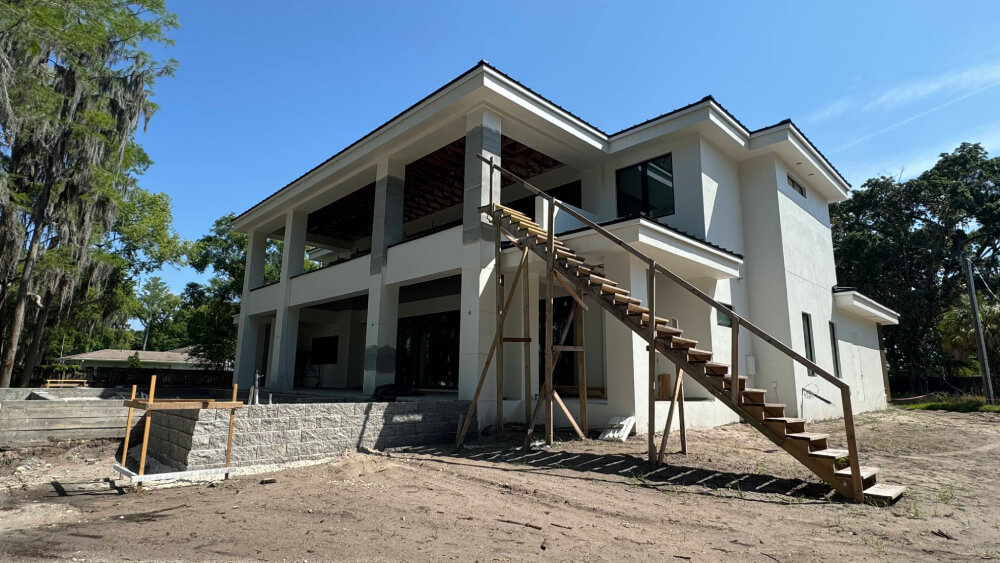

Building a custom home is a monumental task, but it is also an exciting opportunity to create a space uniquely tailored to your tastes and needs. The journey from concept to completion involves numerous decisions and considerations. Here, we’ll delve deeply into the essential factors to help you navigate the process of building your dream home successfully.
Budget Planning
Before breaking ground, establishing a realistic budget is paramount. Your budget will dictate the scope, quality of materials, and the overall scale of your project. Here is how to get started:
- Determine Your Total Budget: Consider your savings, potential loans, and other financing options. It is wise to consult with financial advisors or mortgage brokers to understand your borrowing capacity and explore options like construction loans.
- Allocate Funds Wisely: Divide your budget into key categories such as land acquisition, construction costs, permits, interior finishes, and landscaping. Create a detailed budget spreadsheet to track expenses and ensure you stay within your financial limits.
- Contingency Fund: Set aside 10-20% of your budget for unforeseen expenses. Construction projects often encounter unexpected costs due to design changes, material price fluctuations, or site-specific challenges.
Choosing the Right Location
Location is a critical factor affecting your home’s value and quality of life. Here is what to consider:
- Proximity to Work and Schools: Ensure your home is conveniently located near your workplace and quality schools. Investigate commute times and school ratings.
- Community and Amenities: Look for a neighborhood that aligns with your lifestyle and offers amenities such as parks, shopping centers, and recreational facilities. Visit the area at different times to gauge its vibe and safety.
- Future Development: Research planned developments in the area that could impact your property's value and living experience. Consider factors such as new infrastructure projects or zoning changes.
Selecting a Competent Builder
The right builder ensures quality craftsmanship and a smooth construction process. Here’s how to choose:
- Research and Recommendations: Seek recommendations from friends, family, and online reviews. Study builders' portfolios and inspect their past projects. Look for builders with extensive experience in custom home construction and a solid reputation.
- Interviews and References: Interview potential builders and request references. Contact previous clients to inquire about their experiences and satisfaction. Visit completed projects to evaluate the quality of work.
- Credentials and Licensing: Verify the builder's credentials, licenses, and insurance coverage. Ensure they are certified by relevant industry organizations and comply with local building regulations.
Design and Layout Considerations
The design and layout should reflect your personal style and functional needs. Collaborate with an architect or designer to create a plan that maximizes space and aesthetics:
- Floor Plan: Decide on the number of rooms, their sizes, and their locations. Open floor plans are famous for their spacious feel, but consider your lifestyle and how each space will be used. Think about the flow of the home and the relationship between different areas.
- Future Needs: Plan for the future by considering potential changes in your family structure or lifestyle. This might include additional bedrooms, adaptable spaces, or accessibility features for aging in place.
- Natural Light and Ventilation: Design your home to maximize natural light and ventilation, enhancing comfort and reducing energy costs. Consider the orientation of your home, window placements, and the use of skylights and ventilation systems.
Material Selection
Choosing suitable materials is crucial for durability, efficiency, and aesthetics. Here’s what to consider:
- 01 Quality and Longevity: Invest in high-quality materials that offer longevity and require minimal maintenance. Durable materials like hardwood, stone, and high-grade fixtures provide long-term value.
- 02 Sustainability: To reduce environmental impact and improve energy efficiency, consider eco-friendly materials. Look for materials with recycled content, low VOC emissions, and sustainable sourcing.
- 03 Aesthetics: Select materials that complement your design vision, from flooring and countertops to exterior finishes. Consider your home's overall style and theme, and choose materials that enhance the visual appeal and harmony of your space.
Understanding the Permitting Process
The permitting process ensures your home meets local building codes and regulations. Here’s an overview:
- 01 Research Requirements: Understand the permits required for your project, including building, electrical, plumbing, and zoning permits. Contact your local building department or hire a permit expediter to guide you through the process.
- 02 Application Process: Submit detailed plans and documents to your local building department. Your builder or architect can assist with this process. Ensure all required information is accurate and complete to avoid delays.
- 03 Inspections: Prepare for multiple inspections throughout the construction process to ensure compliance with regulations. Coordinate with inspectors and address any issues promptly to keep the project on track.
Construction Timeline
Establishing a realistic construction timeline helps manage expectations and ensures a smoother process. Consider these factors:
- 01 Project Phases: Break down the project into phases such as site preparation, foundation, framing, roofing, and interior finishes. Develop a detailed schedule with milestones and deadlines for each phase.
- 02 Weather Conditions: Account for weather conditions that might delay construction, especially in regions with harsh climates. Plan for contingencies and adjust the timeline as needed to accommodate weather-related disruptions.
- 03 Regular Updates: Communicate constantly with your builder to receive updates on progress and potential delays. Schedule regular site visits and meetings to monitor progress and address any concerns.
Interior Finishes and Personalization
Your home’s interior finishes allow you to infuse your personal style into every corner. From flooring and cabinetry to lighting and paint, these details make your house feel like home:
- 01 Flooring Options: Based on your style and practicality, choose from hardwood, tile, carpet, or other materials. Consider the durability, maintenance, and comfort of each flooring option.
- 02 Cabinetry and Countertops: Select high-quality cabinetry and countertops that complement your kitchen and bathroom designs. Explore options like custom cabinetry, natural stone countertops, and innovative storage solutions.
- 03 Lighting: Plan a lighting scheme that includes ambient, task, and accent lighting to enhance each space's functionality and mood. Use a mix of natural and artificial lighting to create a warm and inviting atmosphere.
Landscaping and Exterior Design
The exterior of your home is just as important as the interior. Thoughtful landscaping and exterior design enhance curb appeal and provide outdoor living spaces:
- 01 Landscaping Plan: Design a landscaping plan that includes plants, trees, walkways, and outdoor features such as patios or decks. When selecting plants and materials, consider the climate, soil conditions, and maintenance requirements.
- 02 Exterior Finishes: Choose durable and aesthetically pleasing materials for your home's exterior, such as brick, stucco, or siding. Ensure that the exterior finishes complement the architectural style and blend harmoniously with the surroundings.
- 03 Outdoor Living: Consider incorporating outdoor living spaces like a covered patio, kitchen, or pool area. Design these spaces to extend your living area and provide opportunities for relaxation and entertainment.
Final Inspections and Move-In Preparations
As construction nears completion, several final steps ensure your home is ready for occupancy:
- 01 Final Inspections: Schedule final inspections to ensure all work complies with building codes and permits. Address any issues identified during inspections promptly to obtain the necessary approvals.
- 02 Punch List: Create a punch list of any remaining tasks or touch-ups needed before moving in. Work with your builder to complete these items and ensure that all aspects of the home meet your expectations.
- 03 Move-In Planning: Plan your move-in day, arrange for utilities and services, and begin the process of making your new house a home. Coordinate with moving companies, set up utilities, and ensure that all systems are operational.
Building a custom home is a significant investment, both financially and emotionally. By carefully considering these essential factors and working with experienced professionals, you can ensure a smooth and successful construction process. Your dream home awaits, offering a unique and personalized space that you and your family will cherish for years to come.
Start Your Custom Home Journey Today
Discover the possibilities with a custom-built home. Contact us now to get started!

